


The fossil fuel ‘carbon bubble’ may be smaller than investors once feared
The fossil fuel ‘carbon bubble’ may be smaller than investors once feared

Andrei Ionescu Thu, November 19, 2026 at 3:07 PM UTC
0
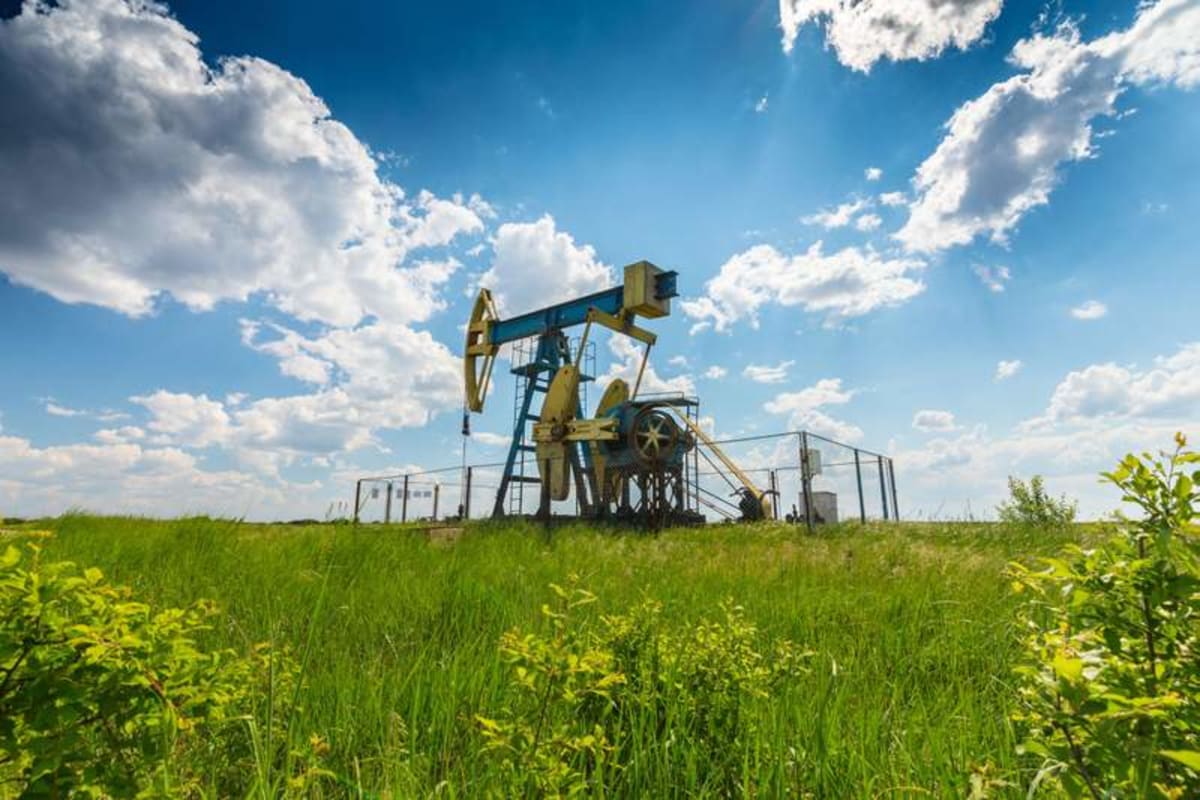
The value of oil wells can shift over decades as energy demand and climate policies change. Credit: Shutterstock
Major fossil-fuel companies may be overvalued by about $99.3 billion because of climate policy risks, according to new research.
That amounts to roughly 5.5% of the market value examined, suggesting investors have already priced in some of the transition.
Researchers at the University of Technology Sydney’s Centre for Climate Risk and Resilience worked with colleagues at Macquarie University.
They investigated how major climate policy developments affected the value of leading fossil-fuel companies listed in the United States.
The findings suggest a smaller potential correction than some earlier estimates. They also point to considerable differences in how individual companies might fare.
Putting a price on risk
The carbon bubble describes a concern about what fossil-fuel businesses are really worth as the world moves toward cleaner energy.
Their valuations depend partly on future earnings from coal, oil and gas. Stronger climate policies or falling demand could reduce those earnings, leaving reserves undeveloped and infrastructure less valuable.
If investors underestimate those changes, share prices may be higher than future business prospects justify. A correction could then bring losses for shareholders and financial institutions.
The researchers set out to estimate that gap, while allowing for the possibility that markets already recognize some climate risks.
What the markets already know
The team examined 31 major climate policy signals between 1996 and 2023.
These comprised 27 United Nations climate conferences and four significant announcements in the United States and European Union.
Using stock and options market information, they estimated company values under two scenarios.
One assumed business as usual without additional climate-policy constraints; the other incorporated climate-related policy risks.
The difference produced the estimated bubble of 5.5%, or $99.3 billion, for the largest US-listed fossil-fuel companies with traded options.
That figure concerns the companies studied. It does not measure the potential losses across every fossil-fuel business or project worldwide.
Nor does it predict an inevitable crash. The results suggest markets may be adjusting gradually, with some transition risks already reflected in prices.
Companies face different futures
“The findings challenge the assumption that stronger climate policies must automatically lead to substantial financial losses for every fossil-fuel company,” said lead researchers Mona Mashhadi Rajabi and Martina Linnenluecke from Sydney.
“Companies are not all equally exposed to the energy transition. Their financial position can depend on the quality of their assets, their investment decisions, their ability to adapt and how effectively they prepare for a changing energy market.”
“This is an important distinction. A company that recognizes transition risks early, adjusts its investment strategy and prepares for changes in energy demand may be better positioned than one that continues to rely on the assumption that current business conditions will last indefinitely.”
Advertisement
The sector-wide estimate therefore leaves an important question for investors: which businesses are preparing, and which are counting on little changing?
A smaller bubble still matters
A relatively modest estimate does not remove the uncertainty surrounding future fossil fuel demand.
Projects that look profitable today may earn less under different policies or more competitive clean-energy alternatives.
Assets built to operate for decades are particularly exposed to those changes. Their economics depend on conditions well beyond the next reporting period.
“So, the key message of this research is not that fossil-fuel companies are financially safe. Significant transition risks remain, and these need to be assessed carefully. Importantly, risks will change as the stringency of carbon policies changes,” the scientists explained.
“For policymakers, the findings reinforce the importance of clear and predictable climate policies. For investors and financial institutions, the results are a reminder to look beyond headline estimates of stranded assets.”
Looking inside the business
Stranded assets are reserves or infrastructure that lose economic value before their expected useful life ends. Their potential scale matters, but it cannot alone explain how a whole company will perform.
Investment choices, asset quality, and the ability to change direction also influence future earnings. Assessing those differences requires information about how companies intend to respond.
“Climate-related financial disclosure can help investors distinguish between companies that are preparing for the transition and those that remain heavily exposed to changing market conditions,” the researchers said.
The research puts that distinction at the center of the debate. A single estimate of potential overvaluation cannot tell investors which projects will remain competitive or which strategies will work.
Australia’s long investment horizon
For Australia, the findings have implications beyond the stock market. Decisions about new fossil-fuel projects commit money to assets whose working lives may span substantial changes in overseas demand.
“These questions are particularly important for Australia, one of the world’s major exporters of coal and liquefied natural gas (LNG). The value of Australia’s fossil-fuel industries is closely connected to demand in international markets,” the authors wrote.
“Australia therefore needs to look beyond current export revenues when making decisions about future energy investment. A project that appears commercially attractive today may face a different economic outlook over its operating life.”
“Equally, assuming that all fossil-fuel assets will rapidly lose value could lead to decisions that overlook differences in project economics and market exposure.”
“The carbon bubble debate should move beyond predictions of a sudden collapse. What matters now is whether companies, investors and governments are making decisions that reflect the energy markets of the future, rather than relying solely on the conditions of the past.”
The study is published in the journal Sustainable Futures.
—
Like what you read? Subscribe to our newsletter for engaging articles, exclusive content, and the latest updates.
Check us out on EarthSnap, a free app brought to you by Eric Ralls and Earth.com.
——-
Source: “AOL Money”
