


Senate Republicans quash measure aimed at ending unpopular Iran war
Senate Republicans quash measure aimed at ending unpopular Iran war

Miles J. Herszenhorn, Zachary Schermele and Francesca Chambers, USA TODAYThu, November 19, 2026 at 8:02 PM UTC
75
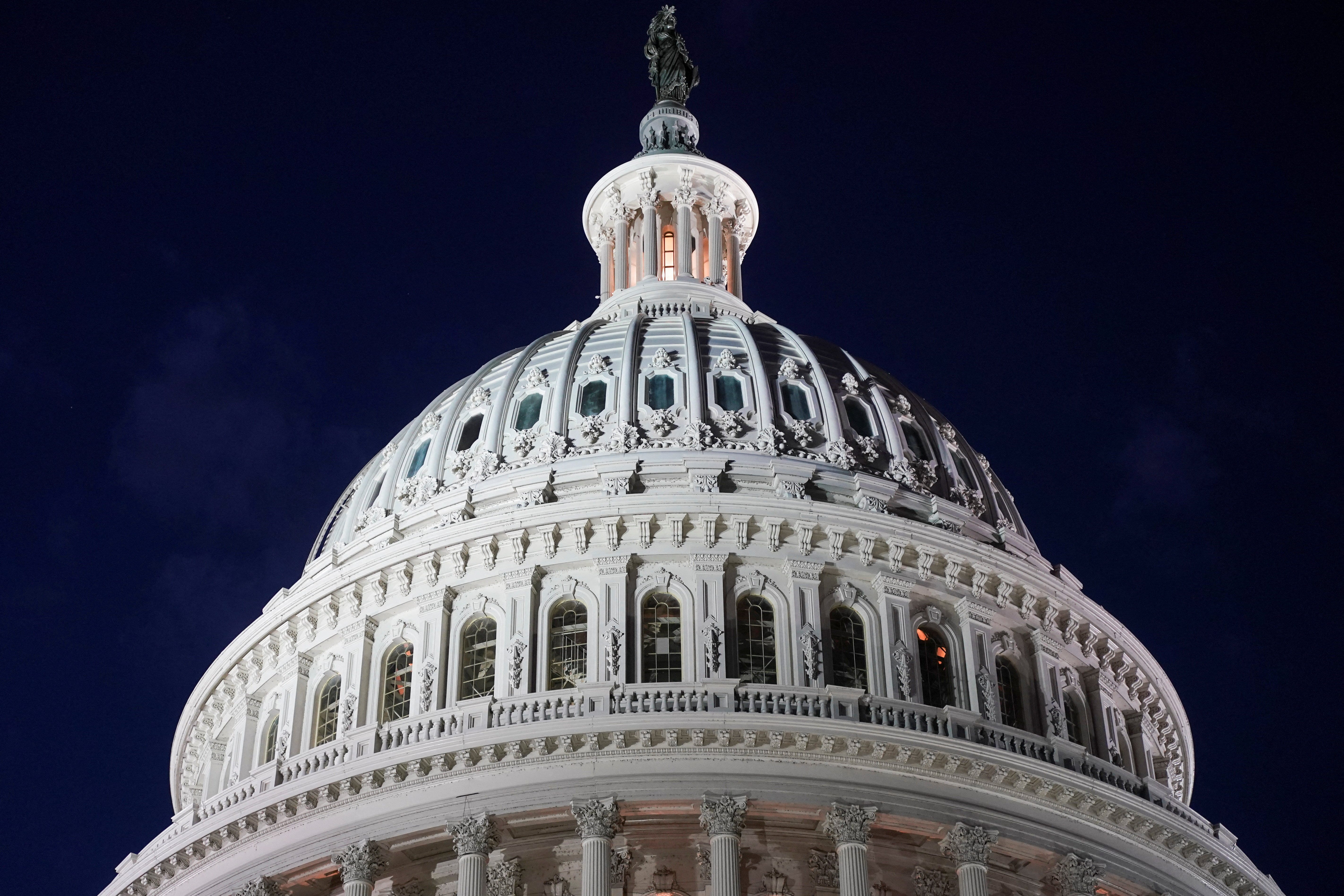
WASHINGTON – Senate Republicans banded together to quash a measure that sought to direct President Donald Trump to end the Iran war or seek congressional approval, demonstrating continued support among the president's allies for the conflict despite the Republican Party's wipeout in the midterm elections.
The 48-51 vote on Nov. 19 was a symbolic victory for Trump, and the first of its kind in Congress in the aftermath of the electoral blue wave that was widely interpreted as a repudiation of the war and its economic consequences. Trump and Vice President JD Vance have both acknowledged the conflict's role in the midterm results.
GOP Sens. Susan Collins of Maine, Lisa Murkowski of Alaska and Rand Paul of Kentucky voted in favor of the measure. Pennsylvania Sen. John Fetterman was the only Democrat to oppose it, as he had each previous Iran war powers resolution. All three Republicans who voted with Democrats, including Collins, who lost her reelection bid this month, also cast the same votes.
Vance on Iran: JD Vance couldn’t save Republicans. Can he save himself before 2028?
The war powers resolution demanded that Trump and embattled Pentagon chief Pete Hegseth bring the conflict to a swift end, unless they secured approval for Congress to continue the fighting.
The resolution would not have compelled Trump to end the war in Iran, as it would not have been legally enforceable, but it revealed just how little appetite Republicans in the Senate, including several who won't be returning in January, have to provide what could be perceived to be political wins to Democrats or buck Trump during the final two years of his presidency.
Retiring Sen. Thom Tillis, R-North Carolina, who’s been a vocal critic of the Iran war and supported past war powers resolutions, said he did not want to back what he saw as a politically-motivated effort by Democrats that wouldn’t meaningfully change the Trump administration’s actions.
“We’ve got to figure out other mechanisms,” he told reporters, saying the White House hasn’t paid attention to Congress’ wishes.
Sen. Josh Hawley, R-Missouri, another war critic, also said he opposed the process, rather than the substance of the measure. He said Congress should lean more heavily on its power to defund the war to draw down the conflict.
“It’s time to bring the war to a close,” he told USA TODAY. “Speaking just for Missouri voters, I think that’s their message as well.”
Advertisement
Asked about the prospect of Trump potentially ramping up strikes in the region, Hawley replied: “Let’s hope not.”
“The president will make his own decision,” he said.
Maintaining the status quo
In the weeks leading up to the election, Trump pledged that the war would come to an end after the midterms, but he has since said he wants to maintain the “status quo” in the Middle East, leaving the conflict stuck somewhere between war and peace.
The United States has conducted several attacks against Iranian military targets in recent days, including a strike on Nov. 17 against a missile launch site on Iran’s Qeshm Island.
The strikes come even as the most intense fighting between the two countries has largely subsided. The current phase of the conflict involves a naval blockade of Iran that the United States has enforced to inflict pain on Tehran’s economy.
Military strikes? A peace agreement? Trump opts for status quo in Iran
The war has cost the U.S. military at least $47 billion as of Oct. 16, according to the Pentagon. The real number is certainly higher as the military’s estimate does not include billions in damage to U.S. bases and facilities in the Middle East, which were targeted by Iran at the start of the conflict.Virginia Sen. Tim Kaine, the architect of Senate Democrats' war powers resolution strategy, acknowledged before the Senate vote that Congress can't "make a president follow the law."
Before the measure failed, he vowed that regardless of the outcome, Democrats would continue to try different pressure campaigns when they're in the majority in January to stop the war. He emphasized they're already doing that in their ongoing government funding negotiations to avoid a December shutdown.
Democrats have also said that ending the war will be a top priority when they take control of Congress next year, with expected House Speaker Hakeem Jeffries vowing at a summit hosted by The Atlantic to move a resolution that has the force of law and "take the fight around ending the war to the Oval Office."
"There's nothing more powerful than putting that bill on the president's desk. We have the ability to do it," Jeffries said.
This article originally appeared on USA TODAY: Senate Republicans quash measure aimed at ending unpopular Iran war
Source: “AOL General News”
